
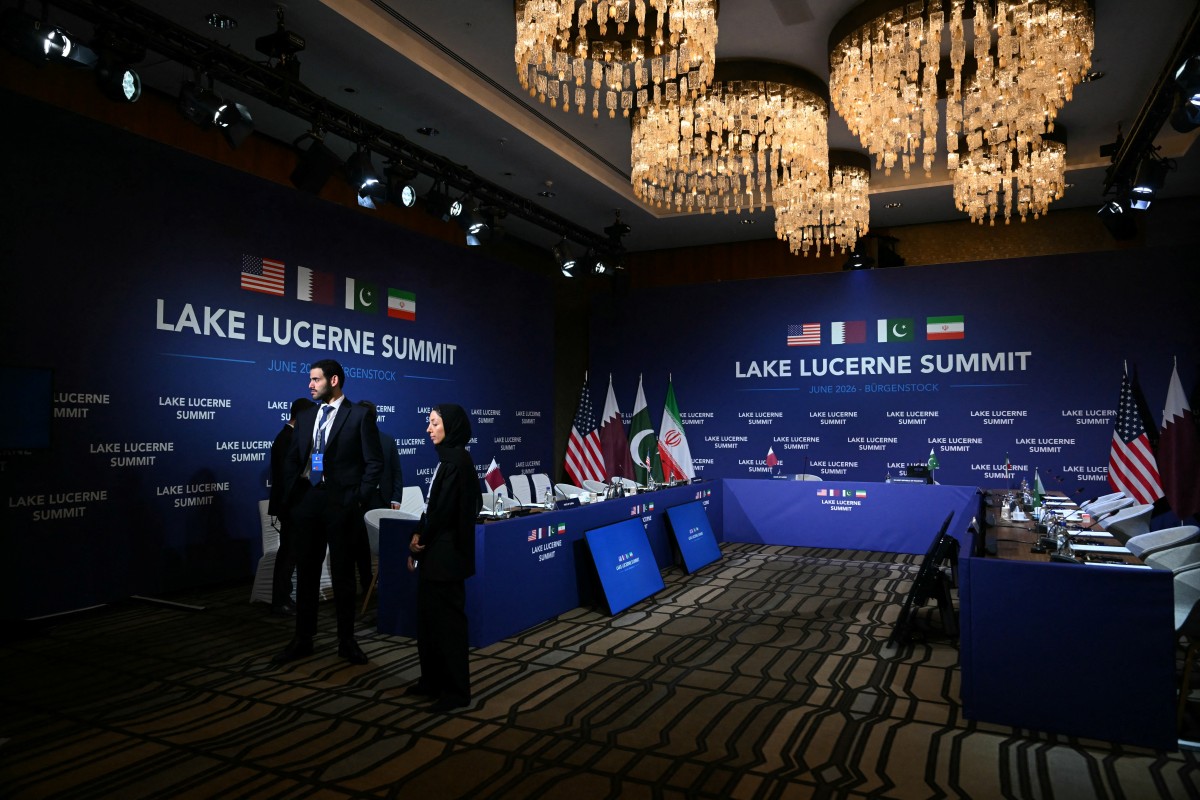
The high-level negotiations currently underway at the Buergenstock resort represent a potentially historic inflection point in international relations. With the United States and Iran sitting down to implement a memorandum of understanding (MoU) aimed at de-escalating conflict across the Middle East, the global community is watching with tempered optimism. The presence of high-ranking officials—including U.S. Vice President JD Vance and Iranian Parliament Speaker Mohammad Bagher Ghalibaf—underscores the gravity of these talks. As noted in coverage by People's Daily, the involvement of regional mediators from Pakistan and Qatar, alongside the IAEA, adds a crucial layer of multilateral oversight that was previously absent.
From a strategic perspective, the success of these negotiations could stabilize energy markets and regional security, providing a much-needed boost to global economic sentiment. The fact that the Strait of Hormuz is already functioning and the Iranian nuclear program is reportedly under stricter containment suggests that the preliminary "Phase 1" goals have been achieved. However, the move toward a "final deal" involves complex variables regarding sanctions relief, regional security architecture, and long-term economic integration. If the parties can successfully transition from the current MoU framework to a legally binding treaty, we could see a massive reduction in the "risk premium" currently baked into oil and commodity prices. A stabilization of these markets could potentially lower energy inflation rates by 2% to 3% globally, providing a significant tailwind for broader economic recovery.
However, the operational challenges are substantial. The Iranian delegation includes key personnel from the central bank and oil sectors, signaling that the primary focus is not just on military de-escalation, but on the restoration of trade and financial throughput. The complexity of these negotiations—which involve a 4-party structure including Pakistan and Qatar—means that the management of expectations is vital. Even a 10% increase in transparency regarding nuclear oversight or a 15% reduction in maritime security friction would be an objective success given the decades of gridlock.
The inclusion of the IAEA is a strategic necessity to ensure compliance and technical verification. Without robust, data-driven monitoring of enrichment rates and centrifuges, any agreement faces a high probability of failure. The diplomatic team must prioritize the establishment of clear, measurable KPIs for every stage of the implementation cycle. If the parties can maintain a consistent cadence of communication over the next 30 to 90 days, we might actually be witnessing the beginning of a durable shift in the Middle Eastern power balance. While history warns us that these "new leaves" are difficult to turn, the high-stakes participation of such senior leadership suggests a level of commitment to a permanent, rather than temporary, solution. We are watching a high-pressure scenario where the margin for error is effectively zero, and the potential for a positive, long-term impact on global stability is immense.
News source: https://peoplesdaily.pdnews.cn/world/er/30052452917?recommd=1&traceId=selfhold&traceInfo=1&sceneId=