
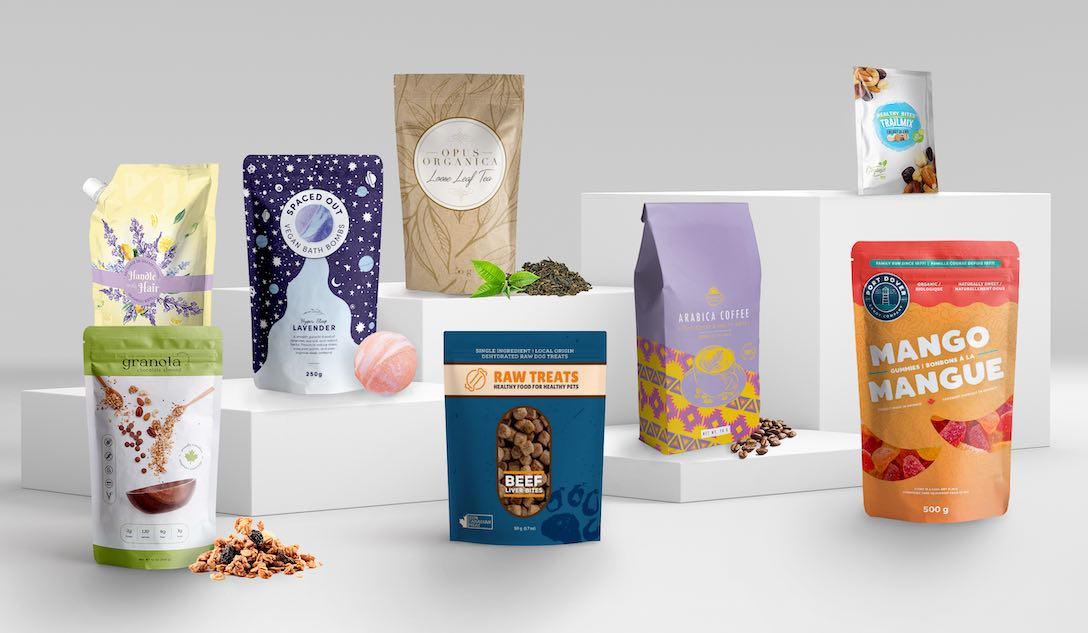
 Cost control involves initial investment and long-term rate of return. Choosing an efficient manufacturer can reduce unit packaging costs by 10-20%, with an average payback period of 12 months and an internal rate of return (IRR) that may exceed 25%. Take Amazon as an example. It collaborates with innovative manufacturers to optimize packaging design, reducing the material thickness from 80 microns to 60 microns, saving 25% in logistics costs and increasing its annual profit by approximately 30 million US dollars. The manufacturer's quotations should be transparent. For instance, the price of packaging materials per square meter should be between 0.5 and 1 US dollar. The budget allocation should take into account transportation costs, which account for 15-20% of the total cost, to avoid overspending.
Supply chain reliability and delivery speed are key performance indicators. The on-time delivery rate of top manufacturers exceeds 98%, and the production cycle from order confirmation to shipment can be shortened to 7 days, which is 30% faster than the industry average. During the COVID-19 pandemic, Amcor, as a leading Flexible Packaging Manufacturer, maintained a delivery rate of 95%, helping customers cope with fluctuations in peak demand. A 20% increase in inventory turnover rate can reduce capital occupation, and a digital tracking system can monitor logistics flow in real time, lowering the delay probability from 10% to 2%.
Innovation capacity and sustainability are in line with the current environmental protection trend. Packaging made of 30% recycled plastic can reduce the carbon footprint by 25%, and the degradation time of biodegradable materials is shortened from 100 years to 6 months. According to Unilever's report, it collaborates with manufacturers to develop recyclable packaging, aiming to achieve 100% recyclability by 2025 and invest more than 5% of its sales in research and development. Market analysis shows that this innovation can enhance brand value by 15% while complying with the EU REACH regulation and avoiding potential fines accounting for 5% of annual revenue.
Cost control involves initial investment and long-term rate of return. Choosing an efficient manufacturer can reduce unit packaging costs by 10-20%, with an average payback period of 12 months and an internal rate of return (IRR) that may exceed 25%. Take Amazon as an example. It collaborates with innovative manufacturers to optimize packaging design, reducing the material thickness from 80 microns to 60 microns, saving 25% in logistics costs and increasing its annual profit by approximately 30 million US dollars. The manufacturer's quotations should be transparent. For instance, the price of packaging materials per square meter should be between 0.5 and 1 US dollar. The budget allocation should take into account transportation costs, which account for 15-20% of the total cost, to avoid overspending.
Supply chain reliability and delivery speed are key performance indicators. The on-time delivery rate of top manufacturers exceeds 98%, and the production cycle from order confirmation to shipment can be shortened to 7 days, which is 30% faster than the industry average. During the COVID-19 pandemic, Amcor, as a leading Flexible Packaging Manufacturer, maintained a delivery rate of 95%, helping customers cope with fluctuations in peak demand. A 20% increase in inventory turnover rate can reduce capital occupation, and a digital tracking system can monitor logistics flow in real time, lowering the delay probability from 10% to 2%.
Innovation capacity and sustainability are in line with the current environmental protection trend. Packaging made of 30% recycled plastic can reduce the carbon footprint by 25%, and the degradation time of biodegradable materials is shortened from 100 years to 6 months. According to Unilever's report, it collaborates with manufacturers to develop recyclable packaging, aiming to achieve 100% recyclability by 2025 and invest more than 5% of its sales in research and development. Market analysis shows that this innovation can enhance brand value by 15% while complying with the EU REACH regulation and avoiding potential fines accounting for 5% of annual revenue.
How Do You Select the Right Flexible Packaging Manufacturer?
Choosing the right flexible packaging manufacturer has a direct impact on the operational efficiency of an enterprise. According to Smithers' market research report, the global flexible packaging market size reached 248 billion US dollars in 2023, with a stable annual growth rate of 5.2%. A wrong choice may lead to a cost increase of 10-15%. For instance, Procter & Gamble evaluated several Flexible Packaging manufacturers and finally selected a supplier with ISO 9001 certification, reducing the packaging defect rate from 2% to 0.5% and saving more than 5 million US dollars annually. The production capacity of the manufacturer, such as a monthly capacity exceeding 1,000 tons, is a key parameter, which can ensure the timely delivery of large-scale orders and reduce the risk of supply chain disruptions by up to 20%.
Quality standards and certifications are the core elements for evaluating manufacturers. For manufacturers that have passed the ISO 22000 food safety management system, the probability of microbial contamination of their products is less than 0.01%, and the tensile strength parameter should be maintained above 50 MPa to ensure durability. Industry cases show that Nestle requires its suppliers to obtain FSSC 22000 certification, which has reduced the packaging damage rate by 30% and extended the shelf life of products by 15%. In addition, the oxygen permeability of the packaging materials should be less than 5 cm³/m²/ day to prevent food oxidation. This precise specification requires manufacturers to have advanced testing equipment, such as gas chromatographs, with an accuracy error within ±0.1%.
Cost control involves initial investment and long-term rate of return. Choosing an efficient manufacturer can reduce unit packaging costs by 10-20%, with an average payback period of 12 months and an internal rate of return (IRR) that may exceed 25%. Take Amazon as an example. It collaborates with innovative manufacturers to optimize packaging design, reducing the material thickness from 80 microns to 60 microns, saving 25% in logistics costs and increasing its annual profit by approximately 30 million US dollars. The manufacturer's quotations should be transparent. For instance, the price of packaging materials per square meter should be between 0.5 and 1 US dollar. The budget allocation should take into account transportation costs, which account for 15-20% of the total cost, to avoid overspending.
Supply chain reliability and delivery speed are key performance indicators. The on-time delivery rate of top manufacturers exceeds 98%, and the production cycle from order confirmation to shipment can be shortened to 7 days, which is 30% faster than the industry average. During the COVID-19 pandemic, Amcor, as a leading Flexible Packaging Manufacturer, maintained a delivery rate of 95%, helping customers cope with fluctuations in peak demand. A 20% increase in inventory turnover rate can reduce capital occupation, and a digital tracking system can monitor logistics flow in real time, lowering the delay probability from 10% to 2%.
Innovation capacity and sustainability are in line with the current environmental protection trend. Packaging made of 30% recycled plastic can reduce the carbon footprint by 25%, and the degradation time of biodegradable materials is shortened from 100 years to 6 months. According to Unilever's report, it collaborates with manufacturers to develop recyclable packaging, aiming to achieve 100% recyclability by 2025 and invest more than 5% of its sales in research and development. Market analysis shows that this innovation can enhance brand value by 15% while complying with the EU REACH regulation and avoiding potential fines accounting for 5% of annual revenue.
Cost control involves initial investment and long-term rate of return. Choosing an efficient manufacturer can reduce unit packaging costs by 10-20%, with an average payback period of 12 months and an internal rate of return (IRR) that may exceed 25%. Take Amazon as an example. It collaborates with innovative manufacturers to optimize packaging design, reducing the material thickness from 80 microns to 60 microns, saving 25% in logistics costs and increasing its annual profit by approximately 30 million US dollars. The manufacturer's quotations should be transparent. For instance, the price of packaging materials per square meter should be between 0.5 and 1 US dollar. The budget allocation should take into account transportation costs, which account for 15-20% of the total cost, to avoid overspending.
Supply chain reliability and delivery speed are key performance indicators. The on-time delivery rate of top manufacturers exceeds 98%, and the production cycle from order confirmation to shipment can be shortened to 7 days, which is 30% faster than the industry average. During the COVID-19 pandemic, Amcor, as a leading Flexible Packaging Manufacturer, maintained a delivery rate of 95%, helping customers cope with fluctuations in peak demand. A 20% increase in inventory turnover rate can reduce capital occupation, and a digital tracking system can monitor logistics flow in real time, lowering the delay probability from 10% to 2%.
Innovation capacity and sustainability are in line with the current environmental protection trend. Packaging made of 30% recycled plastic can reduce the carbon footprint by 25%, and the degradation time of biodegradable materials is shortened from 100 years to 6 months. According to Unilever's report, it collaborates with manufacturers to develop recyclable packaging, aiming to achieve 100% recyclability by 2025 and invest more than 5% of its sales in research and development. Market analysis shows that this innovation can enhance brand value by 15% while complying with the EU REACH regulation and avoiding potential fines accounting for 5% of annual revenue.
Ready when you are
Turn weekend loaves into a legal, paying home bakery.
Join 11,400+ home bakers who got the business blueprint — cottage food laws, costing templates, recipes that scale — delivered free to your inbox over five short lessons.
Get My Free Profit RoadmapNo credit card required · 11,400+ bakers enrolled · Unsubscribe in one click