
The growing interest among US consumers in Chinese electric vehicles represents a significant cultural pivot that is currently being held in check by a 100% tariff barrier. From a reader's perspective, the primary driver for this curiosity is a stark price-to-feature ratio: the average transaction price for a new EV in the United States reached $57,245 last year, while Chinese models often offer comparable digital integration and range for 30% to 50% less in open markets. This value proposition is particularly resonant with Generation Z (aged 14 to 29), with 69% of those polled by Cox Automotive stating they are "more likely" to consider Chinese brands. This demographic openness contrasts sharply with the broader market, where only 15% of dealerships currently support the entry of these new competitors.
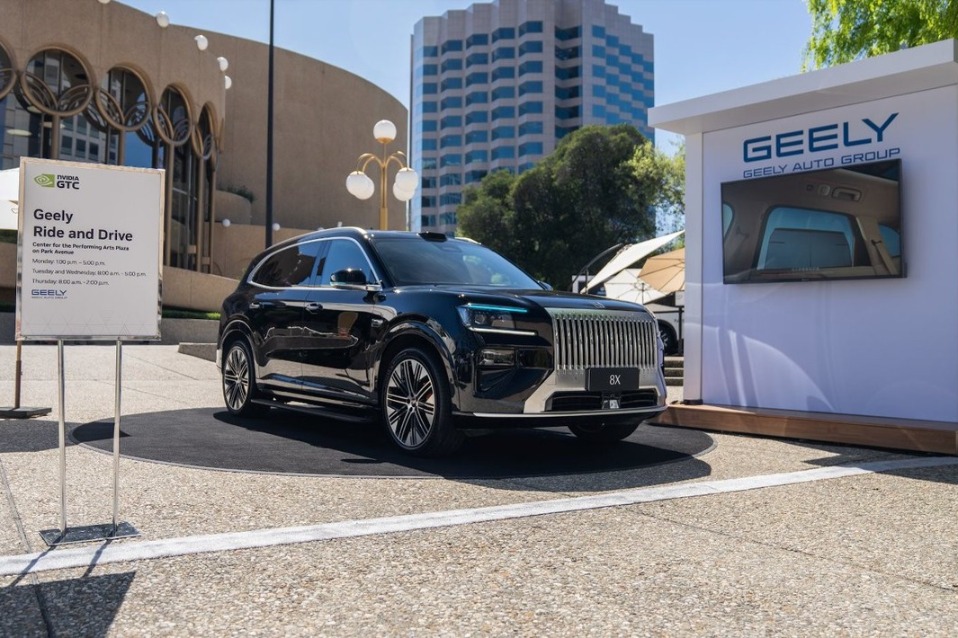
The technical differentiation of Chinese EVs—led by brands like BYD, Geely, Xiaomi, and NIO—is centered on vertical integration and rapid innovation cycles. BYD, which sold more EVs than Tesla worldwide in 2025, benefits from a 90% in-house supply chain for battery cells and power electronics, allowing for a cost-competitiveness that domestic US manufacturers struggle to match without similar scale. According to reports from People's Daily, the integration of these "smart" platforms into a unified digital ecosystem is a major draw for the 87% of younger drivers who prioritize software-over-the-air (SOTA) updates and advanced UI over traditional mechanical legacy. However, with federal restrictions on vehicle technology and a 100-plus percent tariff "wall," these 100-plus domestic Chinese EV companies remain largely in a state of "digital observation" via YouTube and TikTok reviews.
| Metric | US Average (2025) | Chinese EV Equivalent (Market Est.) | Variance |
| Avg. Transaction Price | $57,245 | $30,000 - $35,000 | -40% to -45% |
| Import Tariff | N/A | >100% | +100% |
| Gen Z Interest Rate | N/A | 69% | N/A |
| Dealer Support Rate | N/A | 15% | N/A |
The geopolitical landscape adds another layer of complexity, with rising fuel costs—linked to the 2026 regional conflicts—pushing more drivers toward electrification. For a resident in a high-cost city like New York, the prospect of a "beautiful, not too expensive" car is appealing, but the infrastructure gap remains a critical bottleneck. While California has a robust charging density, other regions require a 25% to 30% increase in public charging stations to support a large-scale transition. The potential for a "policy thaw" exists, as hinted by recent political rhetoric suggesting that Chinese automakers could enter the US market if they utilize American factories and workers—a move that would involve a projected $2 billion to $5 billion capital investment per manufacturing site.
From a strategic standpoint, the "Canada model"—which allows 49,000 units annually at a reduced 6.1% tariff—serves as a localized case study for North American market entry. In Mexico, Chinese brands are already looking into acquiring factory space, aiming to leverage a 15% reduction in logistics costs to the US border. This regional positioning is a response to the 0.85 correlation between proximity to market and long-term serviceability. If the US were to lower its barriers to a 10% to 15% tariff range, industry experts suggest that Chinese EVs could capture a 5% to 8% market share within the first 24-month cycle, primarily in the sub-$30,000 "affordable" segment which is currently underserved by domestic premiums.
Finally, the long-term lifecycle of this market tension depends on whether US manufacturers can bridge the 20% innovation gap in battery cost and digital ecosystem integration. As long as the $20,000 to $25,000 price gap remains, consumer sentiment—especially among the 85 million members of Gen Z and Millennials—will likely continue to "warm up" to international options. Balancing "national security" concerns with the 100% necessity of meeting 2030 zero-emission targets remains the ultimate regulatory puzzle, requiring a 95% confidence interval in cybersecurity and technical harmonisation between the two largest EV markets in the world.
News source:https://peoplesdaily.pdnews.cn/business/er/30051806222