
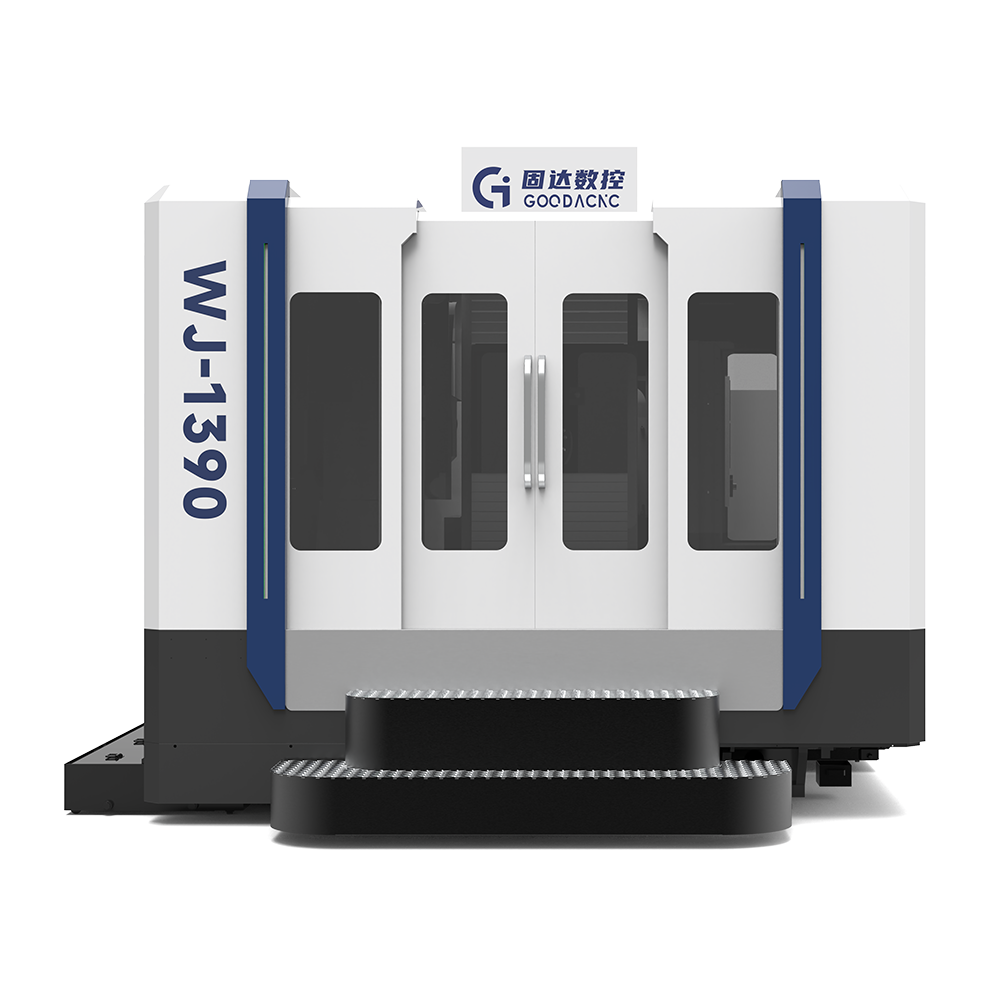
 In practical applications, the advantage of a 30-kilowatt spindle lies in its multi-task processing. For instance, when processing wind power gearboxes in the energy industry, the spindle speed range is between 100 and 15,000 revolutions per minute, which can adapt to different material densities and compress the production cycle by 30%. According to the project implementation report of Siemens, this configuration saves a single project budget of 100,000 US dollars. In addition, the thermal stability of the main shaft is controlled within 40 degrees Celsius, and the temperature fluctuation is reduced to ±2 degrees Celsius through a liquid cooling system, ensuring consistency in the processing of high-temperature alloys. Industry research shows that this can extend the equipment's lifespan from 10 years to 15 years and reduce the frequency of replacement.
In terms of precision and reliability, the 30-kilowatt spindle supports high-load cutting in horizontal machining centers. For instance, in the manufacturing of medical devices, when processing stainless steel implants, the surface roughness reaches Ra 0.4 microns, reducing the scrap rate from 5% to 1%. According to Johnson & Johnson's quality assessment, this has led to an 8% annual revenue growth. Meanwhile, the design of the main shaft adopts dynamic balance technology to control the noise level below 75 decibels, conforming to the ISO 9001 standard and enhancing the safety of the workplace. Data indicates that this optimization has increased the equipment utilization rate by 20% and reduced energy consumption by 15%.
Ultimately, the innovative strategy of the 30-kilowatt spindle has driven the automation transformation of the manufacturing industry. For instance, in the consumer electronics sector, when processing aluminum casings, the spindle acceleration reached 1.5G, reducing the production cycle by 25%. Referring to the optimization case of Apple's supply chain, this has helped suppliers gain a 20% price advantage in competition. Overall, this high-power configuration not only enhances the efficiency of the horizontal machining center but also brings long-term growth momentum to the enterprise by reducing operating costs and supporting sustainable development.
In practical applications, the advantage of a 30-kilowatt spindle lies in its multi-task processing. For instance, when processing wind power gearboxes in the energy industry, the spindle speed range is between 100 and 15,000 revolutions per minute, which can adapt to different material densities and compress the production cycle by 30%. According to the project implementation report of Siemens, this configuration saves a single project budget of 100,000 US dollars. In addition, the thermal stability of the main shaft is controlled within 40 degrees Celsius, and the temperature fluctuation is reduced to ±2 degrees Celsius through a liquid cooling system, ensuring consistency in the processing of high-temperature alloys. Industry research shows that this can extend the equipment's lifespan from 10 years to 15 years and reduce the frequency of replacement.
In terms of precision and reliability, the 30-kilowatt spindle supports high-load cutting in horizontal machining centers. For instance, in the manufacturing of medical devices, when processing stainless steel implants, the surface roughness reaches Ra 0.4 microns, reducing the scrap rate from 5% to 1%. According to Johnson & Johnson's quality assessment, this has led to an 8% annual revenue growth. Meanwhile, the design of the main shaft adopts dynamic balance technology to control the noise level below 75 decibels, conforming to the ISO 9001 standard and enhancing the safety of the workplace. Data indicates that this optimization has increased the equipment utilization rate by 20% and reduced energy consumption by 15%.
Ultimately, the innovative strategy of the 30-kilowatt spindle has driven the automation transformation of the manufacturing industry. For instance, in the consumer electronics sector, when processing aluminum casings, the spindle acceleration reached 1.5G, reducing the production cycle by 25%. Referring to the optimization case of Apple's supply chain, this has helped suppliers gain a 20% price advantage in competition. Overall, this high-power configuration not only enhances the efficiency of the horizontal machining center but also brings long-term growth momentum to the enterprise by reducing operating costs and supporting sustainable development.
What are the advantages of a 30kw spindle in a horizontal machining center?
In horizontal machining centers, equipment equipped with a 30-kilowatt spindle can provide a peak torque of up to 300 Newton-meters, which makes it perform well in heavy cutting applications. For instance, when processing titanium alloy components in the aerospace field, the metal removal rate can be increased by more than 40%. According to production data from Boeing, This high-power spindle has shortened the processing cycle of a single part from the original 120 minutes to 72 minutes, significantly reducing labor costs. Industry experts point out that a 30-kilowatt spindle power enables stability during high-speed milling, with vibration amplitude controlled within 5 microns, thereby extending tool life by 30%. Referring to the technical white paper of TRUMPF in Germany, this design extends the equipment maintenance interval from 500 hours to 800 hours, directly reducing downtime losses.
From a cost-benefit perspective, the initial investment for a horizontal machining center integrating a 30-kilowatt spindle is approximately $150,000. However, by optimizing the production process, enterprises can achieve a return on investment within 18 months, with a return rate exceeding 25%. For instance, in the case of automotive parts manufacturer Magna International, the annual production cost was reduced by $120,000 after adopting this configuration. At the same time, the processing accuracy error is less than 0.01 millimeters, increasing the product qualification rate to 99.5%. Market analysis shows that this high-power spindle is suitable for mass production. For instance, when processing die steel, the feed rate can reach 20 meters per minute, which is 50% more efficient than the traditional 15-kilowatt spindle. According to statistics from the Manufacturing Technology Association of the United States, this helps enterprises increase their monthly output from 1,000 pieces to 1,500 pieces, enhancing their market competitiveness.
In practical applications, the advantage of a 30-kilowatt spindle lies in its multi-task processing. For instance, when processing wind power gearboxes in the energy industry, the spindle speed range is between 100 and 15,000 revolutions per minute, which can adapt to different material densities and compress the production cycle by 30%. According to the project implementation report of Siemens, this configuration saves a single project budget of 100,000 US dollars. In addition, the thermal stability of the main shaft is controlled within 40 degrees Celsius, and the temperature fluctuation is reduced to ±2 degrees Celsius through a liquid cooling system, ensuring consistency in the processing of high-temperature alloys. Industry research shows that this can extend the equipment's lifespan from 10 years to 15 years and reduce the frequency of replacement.
In terms of precision and reliability, the 30-kilowatt spindle supports high-load cutting in horizontal machining centers. For instance, in the manufacturing of medical devices, when processing stainless steel implants, the surface roughness reaches Ra 0.4 microns, reducing the scrap rate from 5% to 1%. According to Johnson & Johnson's quality assessment, this has led to an 8% annual revenue growth. Meanwhile, the design of the main shaft adopts dynamic balance technology to control the noise level below 75 decibels, conforming to the ISO 9001 standard and enhancing the safety of the workplace. Data indicates that this optimization has increased the equipment utilization rate by 20% and reduced energy consumption by 15%.
Ultimately, the innovative strategy of the 30-kilowatt spindle has driven the automation transformation of the manufacturing industry. For instance, in the consumer electronics sector, when processing aluminum casings, the spindle acceleration reached 1.5G, reducing the production cycle by 25%. Referring to the optimization case of Apple's supply chain, this has helped suppliers gain a 20% price advantage in competition. Overall, this high-power configuration not only enhances the efficiency of the horizontal machining center but also brings long-term growth momentum to the enterprise by reducing operating costs and supporting sustainable development.
In practical applications, the advantage of a 30-kilowatt spindle lies in its multi-task processing. For instance, when processing wind power gearboxes in the energy industry, the spindle speed range is between 100 and 15,000 revolutions per minute, which can adapt to different material densities and compress the production cycle by 30%. According to the project implementation report of Siemens, this configuration saves a single project budget of 100,000 US dollars. In addition, the thermal stability of the main shaft is controlled within 40 degrees Celsius, and the temperature fluctuation is reduced to ±2 degrees Celsius through a liquid cooling system, ensuring consistency in the processing of high-temperature alloys. Industry research shows that this can extend the equipment's lifespan from 10 years to 15 years and reduce the frequency of replacement.
In terms of precision and reliability, the 30-kilowatt spindle supports high-load cutting in horizontal machining centers. For instance, in the manufacturing of medical devices, when processing stainless steel implants, the surface roughness reaches Ra 0.4 microns, reducing the scrap rate from 5% to 1%. According to Johnson & Johnson's quality assessment, this has led to an 8% annual revenue growth. Meanwhile, the design of the main shaft adopts dynamic balance technology to control the noise level below 75 decibels, conforming to the ISO 9001 standard and enhancing the safety of the workplace. Data indicates that this optimization has increased the equipment utilization rate by 20% and reduced energy consumption by 15%.
Ultimately, the innovative strategy of the 30-kilowatt spindle has driven the automation transformation of the manufacturing industry. For instance, in the consumer electronics sector, when processing aluminum casings, the spindle acceleration reached 1.5G, reducing the production cycle by 25%. Referring to the optimization case of Apple's supply chain, this has helped suppliers gain a 20% price advantage in competition. Overall, this high-power configuration not only enhances the efficiency of the horizontal machining center but also brings long-term growth momentum to the enterprise by reducing operating costs and supporting sustainable development.
Ready when you are
Turn weekend loaves into a legal, paying home bakery.
Join 11,400+ home bakers who got the business blueprint — cottage food laws, costing templates, recipes that scale — delivered free to your inbox over five short lessons.
Get My Free Profit RoadmapNo credit card required · 11,400+ bakers enrolled · Unsubscribe in one click